How a Gunna type beat gets built, and what makes "Professional" a usable free one
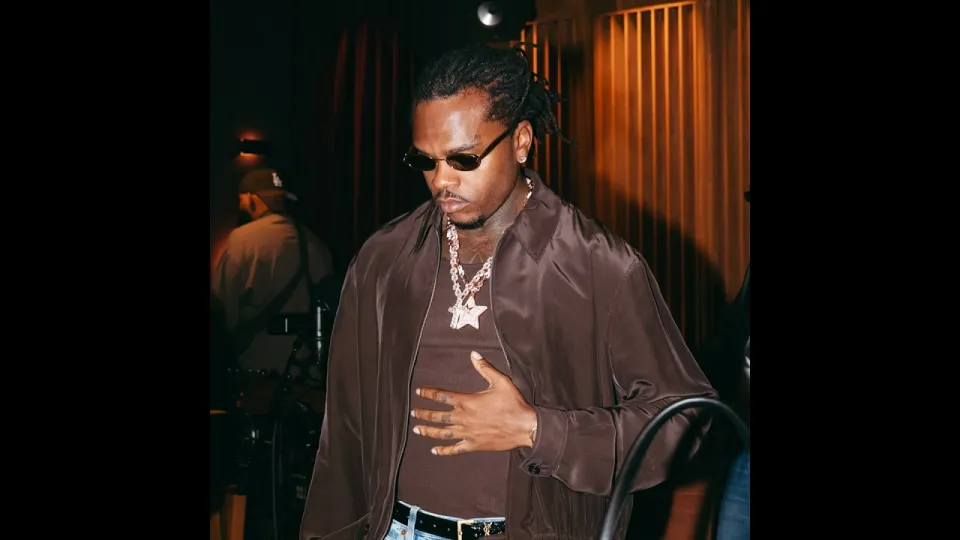
Video: [FREE] Gunna Type Beat - "Professional"
Want articles like this for your own video to promote it on YouTube and Google? Order them through the Telegram bot @sat_sit_bot. The bot writes and publishes the articles itself (with your YouTube video embedded) on popular topical websites (no ads). Your first 50 articles are free.
· based on the channel MIG
A Gunna type beat is a melodic trap instrumental built to sit under smooth, triplet-heavy rapping: slow-to-mid tempo, minor-key melody, sliding 808 bass and tight, rolling hi-hats. "Professional" by producer MIG fits that template exactly at 122 BPM in F# minor, and you can grab the untagged version of the beat on BeatStars or use the free tagged file for non-profit work.
What defines the Gunna type beat sound
The Gunna type beat formula is less about a single drum pattern and more about space: a soft, often guitar- or piano-led melody, a bassline that glides between notes instead of punching, and drums that stay clean enough for the vocal to sit on top. Gunna's catalog with Young Thug, from the early mixtapes through One of Wun and The Last Wun, leans on this contrast between warm, dark chords and precise, high-register percussion.
In practice, a beat in this lane usually shares these traits:
- Tempo between roughly 115 and 130 BPM, slow enough for melodic flows and fast enough for double-time hi-hat runs.
- A minor key, most often with a four- or eight-bar loop that barely changes, so the rapper carries the energy.
- 808 slides that answer the melody rather than just hold the root note.
- Snare or clap layered thin and dry, with the kick tuned to the 808 so the low end stays clean.
- Hi-hats with programmed rolls and occasional triplet groupings, which is the detail listeners notice first.
"Professional" checks each box: 122 BPM, F# minor, an orchestral-sounding melodic loop and drums described by early listeners as crisp, with hi-hat rolls doing a lot of the rhythmic work.
How "Professional" is put together
"Professional" is a free Gunna type beat from MIG that runs at 122 BPM in F# minor, with an orchestral-leaning melody and a drum kit built around sharp hats and a sliding low end. The tempo sits in the pocket where Gunna-style flows work best: fast enough for sixteenth-note hat patterns, slow enough that a laid-back delivery still lands on the grid.
F# minor gives the loop its dark, minor tonality without pushing into horror-movie territory, which is why the melody reads as moody rather than aggressive. The 808 glides are the second hook of the track; listeners responding to the beat singled out the slides as the most striking element, alongside the darkness of the melody and the tightness of the drums. That combination is what separates a usable Gunna type beat from a generic trap loop: the vocalist needs room, and the low end needs movement.
Free download vs. untagged license
The free version of "Professional" is licensed for non-profit purposes only, and it cannot be distributed through streaming services such as Spotify or Apple Music. That means you can write to it, record demos, post a snippet on social media or use it in a non-monetized context, but you cannot release a commercial single on the free file.
For anything that generates revenue or goes to DSPs, the untagged license is the correct route. The purchase link is the same one in the description, and the store has a simple incentive: add three beats to the cart and a discount activates automatically. If you are building a small project rather than a single, that bundle math is worth checking before you buy one file at a time.
Writing a verse over a Gunna type beat
Start with the 808 pattern, not the melody, because on this kind of beat the bassline dictates where the flow can breathe. A practical workflow:
- Loop the first eight bars and hum a melody before writing any words, matching the contour of the sample or synth line.
- Map the 808 slides: wherever the bass moves, place a stressed syllable or leave a gap.
- Keep the verse rhythm conversational in the first four bars, then switch to triplet or double-time patterns for the second half.
- Use the hook space for a repeated melodic phrase rather than a dense bar, since the beat's loop is sparse by design.
- Record a scratch take at 122 BPM with a click, then comp the ad-libs separately so the main vocal stays uncluttered.
Because the instrumental leaves mid-range space, a dry, close vocal with light reverb and a short delay sits better than a heavily processed chain. That is also why producers in this lane keep the snare thin: the vocal is the mid-range element.
Common questions from listeners and artists
Most reactions to a beat like this fall into a few predictable categories, and each has a practical answer. People notice the hi-hat rolls first, then the melody's mood, then whether the drums sound clean enough to rap on without extra mixing. Others immediately imagine the type of record it suits, from a street anthem to a slower, melodic cut.
The recurring doubts are about tempo and key: whether 122 BPM is too fast for a Gunna-style flow, and whether F# minor is awkward to sing in. Neither is a real obstacle. Half-time counting makes 122 BPM feel like 61, which is a comfortable pocket for melodic trap, and F# minor is a common guitar and piano key that sits well for most male voices after a small transposition of the vocal melody rather than the beat. The remaining question is usually licensing, and that one has a clear answer in the section above.
Where to get the beat and follow the producer
The untagged file for "Professional" is available through the BeatStars store linked in the video description, and the free tagged version is offered for non-profit use. Producer MIG shares new instrumentals and beat breakdowns on the MIG YouTube channel, with contact and social handles listed as @prod_mig and migbeats.prod@gmail.com for licensing or custom work.
Final thoughts
"Professional" is a clean example of the Gunna type beat format: 122 BPM in F# minor, an orchestral-tinged melody, sliding 808s and hi-hat rolls that carry the groove. The free file is a legitimate writing tool for demos and non-profit use, while the untagged license covers streaming releases and monetized work. If you want the beat without the tag, buy the untagged "Professional" beat on BeatStars and remember that three items in the cart trigger the discount. The video breakdown comes from the MIG channel, which is the place to follow for more beats in this lane.
Key takeaways
- "Professional" by MIG runs at 122 BPM in the key of F# minor.
- The free download is licensed for non-profit use only and cannot be uploaded to Spotify or Apple Music.
- An untagged license is sold through the BeatStars link in the description.
- Adding three beats to the cart activates a discount on the store.
- The beat targets the Gunna and Young Thug melodic-trap lane, including the One of Wun and The Last Wun era sound.
Source: [FREE] Gunna Type Beat - "Professional" · Markdown version
Questions & answers
Is the "Professional" Gunna type beat really free?
Yes, the tagged version is free for non-profit purposes only. That covers writing, demos and non-monetized content, but not releases on streaming platforms such as Spotify or Apple Music. For those, you need the untagged license.
What tempo and key is the beat in?
It runs at 122 BPM in F# minor. Counting it in half-time makes it feel closer to 61 BPM, which is a comfortable pocket for melodic, triplet-driven flows.
Can I release a song on Spotify with the free download?
No. The free file is explicitly not cleared for streaming services. You need to purchase the untagged license through the BeatStars link before distributing a commercial release.
How does the discount on the beat store work?
Adding three beats to the cart activates a discount automatically. It is useful if you are putting together an EP or a small batch of songs rather than buying a single instrumental.